Navodaya Cancer Hospital - Cure for Cancer NABH Accredited Ayushman Bharat NCDR
Oral (Mouth) Cancer

What is Oral (Mouth) Cancer?

Accounts for roughly 30% of all head and neck cancers. Tobacco and alcohol use are linked to over 80% of all cases.

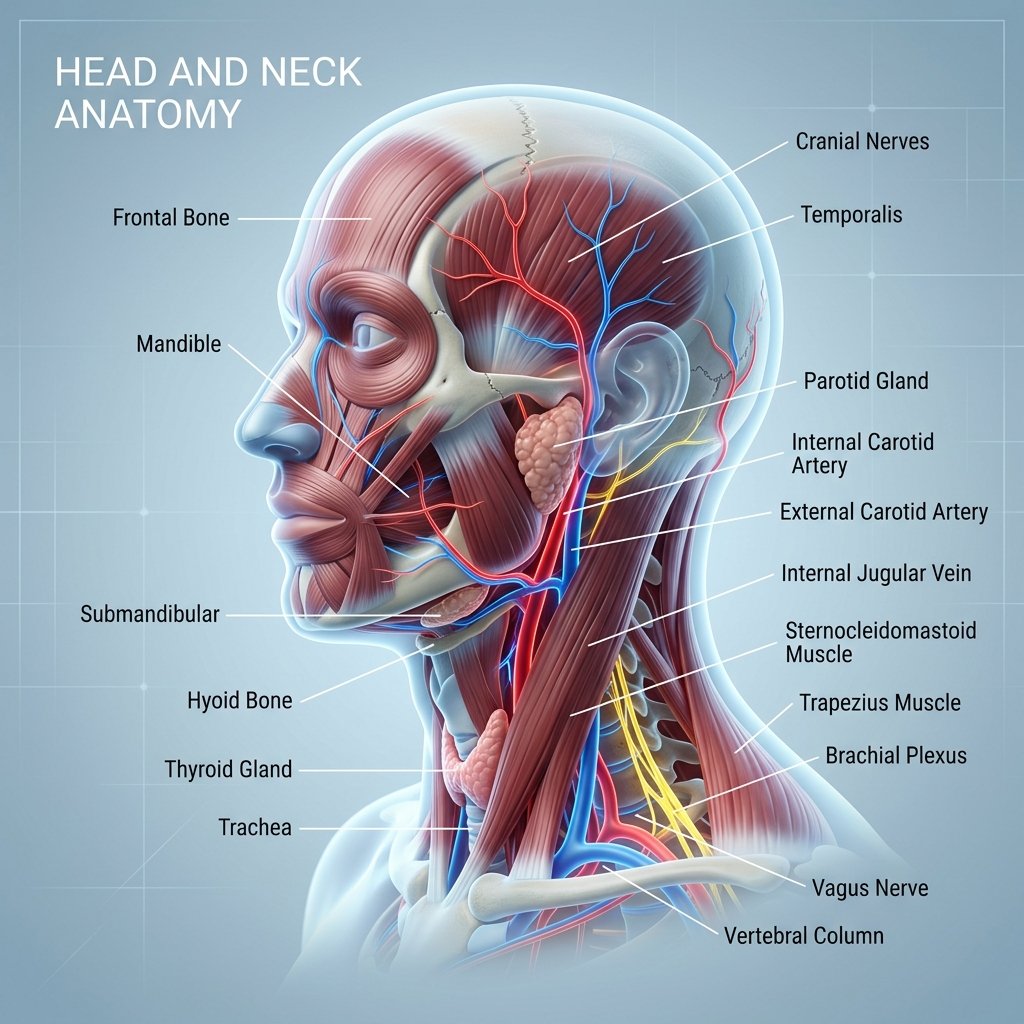
Oral cancer develops in the tissues of the mouth or throat. It belongs to a larger group of cancers called head and neck squamous cell carcinomas. Early detection is crucial, as it can quickly spread to the lymph nodes of the neck.

Signs & Symptoms

Consult your doctor if you notice:
  • A lip or mouth sore that doesn't heal
  • A white or reddish patch on the inside of the mouth
  • Loose teeth
  • A growth or lump inside the mouth
  • Mouth pain or difficulty swallowing

Risk Factors

  • Tobacco use (smoking and chewing)
  • Heavy alcohol consumption
  • Human papillomavirus (HPV) infection
  • Excessive sun exposure to the lips
  • A weakened immune system

Screening & Early Detection

  • Routine visual inspection of the mouth by a dentist or doctor
  • Checking for abnormal lesions, white/red patches, or lumps in the oral cavity

Diagnosis

  • Endoscopy to inspect the throat
  • Biopsy of suspicious lesions
  • Imaging tests like CT scans, MRIs, or PET scans to determine if the cancer has spread

Treatment Options

  • Surgical removal of the tumor (with possible reconstructive surgery)
  • Radiation therapy
  • Chemotherapy
  • Targeted drug therapy
  • Immunotherapy for advanced stages
Tongue Cancer

What is Tongue Cancer?

A rapidly growing subset of oral cancers, with a rising incidence among younger adults lacking traditional risk factors.

Tongue cancer can occur on the front part of the tongue (oral tongue cancer) or the base of the tongue near the throat (oropharyngeal cancer). Treatment often depends on the exact location of the tumor.

Signs & Symptoms

Consult your doctor if you notice:

  • A sore on the tongue that doesn't heal
  • A red or white patch
  • Persistent pain or a feeling of something caught in the throat
  • Difficulty moving the tongue or speaking

Risk Factors

  • Tobacco and alcohol use
  • HPV infection (strongly linked to base of tongue cancer)
  • Poor oral hygiene

Screening & Early Detection

  • Visual inspection and physical palpation of the tongue during routine dental check-ups

Diagnosis

  • Endoscopy
  • Biopsy
  • Imaging (MRI, CT scans)

Treatment Options

  • Surgery (glossectomy)
  • Radiation therapy
  • Reconstructive surgery
  • Speech and swallowing rehabilitation
Lip Cancer

What is Lip Cancer?

The most common form of oral cancer, frequently highly curable due to its visible location on the face.

Lip cancer most commonly affects the lower lip. Because it is highly visible, it is often detected early, leading to excellent survival rates.

Signs & Symptoms

Consult your doctor if you notice:

  • A sore on the lip that won't heal
  • A lump or thickening
  • Bleeding, pain, or numbness of the lip
  • A white or red patch

Risk Factors

  • Excessive sun exposure (ultraviolet radiation)
  • Tobacco use
  • Fair skin
  • A weakened immune system

Screening & Early Detection

  • Routine visual examination of the face and lips

Diagnosis

  • Physical exam
  • Biopsy of the suspicious lesion

Treatment Options

  • Surgery (excision with clear margins)
  • Radiation therapy
  • Cryotherapy (freezing) for very early-stage superficial lesions
Buccal Mucosa Cancer

What is Buccal Mucosa Cancer?

Accounts for up to 10% of all oral cavity cancers, with a higher prevalence in regions where tobacco chewing is common.

This cancer develops on the inner lining of the cheeks (the buccal mucosa). It is strongly associated with lifestyle factors and can aggressively invade nearby tissues if not caught early.

Signs & Symptoms

Consult your doctor if you notice:

  • A lump or thickening on the inside of the cheek
  • A persistent red or white patch
  • Pain or difficulty chewing
  • Restricted mouth opening

Risk Factors

  • Chewing tobacco and betel nut (paan)
  • Heavy alcohol use
  • Poorly fitting dentures causing chronic irritation

Screening & Early Detection

  • Thorough oral examinations during dental visits

Diagnosis

  • Biopsy of the inner cheek tissue
  • CT or MRI to check for tissue invasion

Treatment Options

  • Surgical excision
  • Radiation therapy
  • Reconstructive surgery using skin grafts if a large area is removed
Gum Cancer

What is Gum Cancer?

Often mistaken initially for gingivitis or a dental infection, requiring specialized evaluation for accurate diagnosis.

Cancer of the gums (gingiva) often begins as a highly localized tumor. Because it lies so close to the jawbone, it can invade the bone structure early in its development.

Signs & Symptoms

Consult your doctor if you notice:

  • A sore on the gums that bleeds easily and won't heal
  • Swelling or thickening of the gums
  • Loose teeth without an obvious dental cause
  • Dentures that no longer fit properly

Risk Factors

  • Tobacco use
  • Alcohol abuse
  • Poor oral hygiene
  • Chronic gum irritation

Screening & Early Detection

  • Routine dental x-rays and clinical exams

Diagnosis

  • Tissue biopsy
  • Panoramic dental x-rays
  • CT scans of the jaw

Treatment Options

  • Surgery (often involving removal of some underlying jawbone—marginal mandibulectomy)
  • Radiation therapy
Jaw Cancer

What is Jaw Cancer?

Primary jaw cancer is exceptionally rare; most tumors found here have metastasized from other oral or distant cancers.

Cancers affecting the jawbone (mandible or maxilla) can originate from the bone itself (like osteosarcoma) or spread from surrounding tissues like the gums.

Signs & Symptoms

Consult your doctor if you notice:

  • Jaw pain or tenderness
  • Swelling of the face or jaw
  • Unexplained tooth mobility
  • Numbness in the jaw or lower lip

Risk Factors

  • Previous radiation therapy to the head and neck
  • Advanced stage of surrounding oral cancers

Screening & Early Detection

  • Dental panoramic x-rays can sometimes detect asymptomatic bone changes

Diagnosis

  • X-rays
  • CT or MRI scans
  • Bone biopsy

Treatment Options

  • Extensive surgery (mandibulectomy or maxillectomy) followed by complex bone grafting and reconstruction
  • Radiation
  • Chemotherapy
Throat (Laryngeal) Cancer

What is Throat (Laryngeal) Cancer?

Over 12,000 new cases are diagnosed annually. Highly curable with early intervention, often preserving vocal function.

Laryngeal cancer forms in the tissues of the larynx (voice box). It plays a vital role in breathing, speaking, and swallowing. Voice changes are often the first noticeable sign.

Signs & Symptoms

Consult your doctor if you notice:

  • Hoarseness or voice changes
  • A persistent sore throat or cough
  • Difficulty or pain when swallowing
  • A lump or swelling in the neck
  • Ear pain

Risk Factors

  • Prolonged tobacco use
  • High alcohol intake
  • Poor nutrition
  • HPV infection
  • Occupational exposure to certain chemicals (like asbestos or sulfuric acid mist)

Screening & Early Detection

  • Currently, there are no standard routine screening tests for laryngeal cancer in people with no symptoms, but high-risk individuals should report voice changes immediately

Diagnosis

  • Laryngoscopy (using a scope to view the vocal cords)
  • Biopsy
  • Imaging (CT, MRI, PET) to stage the cancer

Treatment Options

  • Radiation therapy (often used early to preserve the voice box)
  • Surgery (partial or total laryngectomy)
  • Chemotherapy
  • Targeted therapies
Pharyngeal Cancer

What is Pharyngeal Cancer?

Encompasses cancers of the throat tube, heavily influenced by both lifestyle choices and viral infections.

Pharyngeal cancer develops in the pharynx, the hollow tube running from behind the nose to the top of the windpipe. It is subdivided into nasopharynx, oropharynx, and hypopharynx.

Signs & Symptoms

Consult your doctor if you notice:

  • A sore throat that persists
  • Pain or difficulty swallowing
  • Ear pain
  • A lump in the neck
  • Unexplained weight loss

Risk Factors

  • Smoking
  • Heavy drinking
  • HPV infection (particularly for the oropharynx)

Screening & Early Detection

  • Routine examination of the back of the throat

Diagnosis

  • Endoscopy
  • Biopsy
  • Imaging for staging

Treatment Options

  • Surgery, radiation therapy, and chemotherapy, often used in combination depending on the specific location and stage
Nasopharyngeal Cancer

What is Nasopharyngeal Cancer?

Rare globally but highly endemic in specific regions like Southeast Asia, where incidence rates are 15-30 times higher.

A rare type of head and neck cancer that occurs in the nasopharynx—the upper part of the throat behind the nose. It is difficult to detect early because the nasopharynx isn't easy to examine.

Signs & Symptoms

Consult your doctor if you notice:

  • A lump in the neck caused by a swollen lymph node
  • Blood in saliva
  • Bloody discharge from the nose
  • Nasal congestion or ringing in the ears
  • Hearing loss
  • Frequent ear infections

Risk Factors

  • Epstein-Barr virus (EBV) infection
  • Diets high in salt-cured meats and fish
  • Being of Asian or North African descent
  • Family history

Screening & Early Detection

  • Routine screening is not common, but EBV DNA testing may be used in high-risk populations

Diagnosis

  • Nasal endoscopy to examine the nasopharynx
  • Biopsy
  • MRI, CT, or PET scans for staging

Treatment Options

  • Radiation therapy is usually the primary treatment
  • Chemotherapy (often administered concurrently with radiation)
  • Surgery is rarely used due to the tumor's difficult location
Hypopharyngeal Cancer

What is Hypopharyngeal Cancer?

Often diagnosed at an advanced stage due to the absence of early symptoms, making multidisciplinary treatment crucial.

This cancer develops in the hypopharynx, the bottom part of the throat lying beside and behind your voice box. Due to its hidden location, it is one of the most challenging head and neck cancers to treat.

Signs & Symptoms

Consult your doctor if you notice:

  • Difficulty swallowing (dysphagia)
  • Ear pain
  • A lump in the neck
  • Changes in the voice

Risk Factors

  • Extensive tobacco and alcohol use
  • Poor nutrition (such as Plummer-Vinson syndrome)

Screening & Early Detection

  • Specialized endoscopic examinations for high-risk patients

Diagnosis

  • Direct laryngoscopy and hypopharyngoscopy
  • Biopsy
  • PET/CT scans

Treatment Options

  • Advanced surgery (such as laryngopharyngectomy)
  • Intensive radiation and chemotherapy regimens
Salivary Gland Cancer

What is Salivary Gland Cancer?

A rare condition accounting for less than 1% of all cancers. Over 70% of these tumors originate in the parotid glands.

A rare type of cancer that begins in the salivary glands. There are three major pairs of salivary glands (parotid, submandibular, sublingual) and hundreds of minor ones. Most tumors occur in the parotid glands.

Signs & Symptoms

Consult your doctor if you notice:

  • A lump or swelling on or near your jaw or in your neck or mouth
  • Numbness in part of your face
  • Muscle weakness on one side of your face
  • Persistent pain in the area of a salivary gland

Risk Factors

  • Older age
  • Radiation exposure to the head and neck
  • Workplace exposure to certain substances (like in rubber manufacturing, asbestos mining, and plumbing)

Screening & Early Detection

  • No routine screening exists, but dentists often detect asymptomatic lumps during routine dental exams

Diagnosis

  • Physical examination
  • MRI or CT scans
  • Biopsy (usually fine-needle aspiration)

Treatment Options

  • Surgery to remove the affected gland and potentially nearby lymph nodes
  • Radiation therapy (often used post-surgery)
  • Chemotherapy for advanced cases
Thyroid Cancer

What is Thyroid Cancer?

One of the fastest-increasing cancer diagnoses globally, yet carries an exceptional 5-year survival rate of nearly 98%.

Thyroid cancer occurs in the cells of the thyroid, a butterfly-shaped gland located at the base of the neck that regulates heart rate, blood pressure, body temperature, and weight. It is generally very treatable, with excellent survival rates.

Signs & Symptoms

Consult your doctor if you notice:

  • A lump (nodule) that can be felt through the skin on your neck
  • Changes to your voice, including increasing hoarseness
  • Difficulty swallowing
  • Pain in your neck and throat
  • Swollen lymph nodes

Risk Factors

  • Female sex (occurs much more often in women)
  • Exposure to high levels of radiation
  • Certain inherited genetic syndromes (e.g., familial medullary thyroid cancer, MEN 2A/2B)

Screening & Early Detection

  • Routine neck palpation by a physician
  • Ultrasound for those with a strong family history or known genetic risk

Diagnosis

  • Ultrasound imaging
  • Fine-needle aspiration biopsy
  • Blood tests (thyroid-stimulating hormone levels)
  • Genetic testing

Treatment Options

  • Surgery (thyroidectomy)
  • Radioactive iodine ablation
  • Thyroid hormone therapy
  • External beam radiation therapy
  • Targeted drug therapy
Parathyroid Tumors

What is Parathyroid Tumors?

Over 99% of parathyroid tumors are benign (adenomas), with parathyroid cancer being an exceedingly rare medical condition.

The parathyroid glands are four tiny glands located behind the thyroid that control calcium levels in the blood. When cancer does occur here, it severely disrupts calcium metabolism.

Signs & Symptoms

Consult your doctor if you notice:

  • Bone pain
  • Frequent kidney stones
  • Excessive thirst and urination
  • Fatigue and muscle weakness (all symptoms of hypercalcemia)

Risk Factors

  • Previous radiation to the neck
  • Inherited genetic conditions (like Multiple Endocrine Neoplasia type 1)

Screening & Early Detection

  • Routine blood tests showing abnormally high calcium and parathyroid hormone (PTH) levels

Diagnosis

  • Blood and urine tests for calcium and PTH
  • Sestamibi scan
  • Ultrasound

Treatment Options

  • Surgical removal of the affected gland(s) and the surrounding thyroid lobe
  • Medications to manage high blood calcium levels