Navodaya Cancer Hospital - Cure for Cancer NABH Accredited Ayushman Bharat NCDR
Prostate Cancer
Prostate Cancer

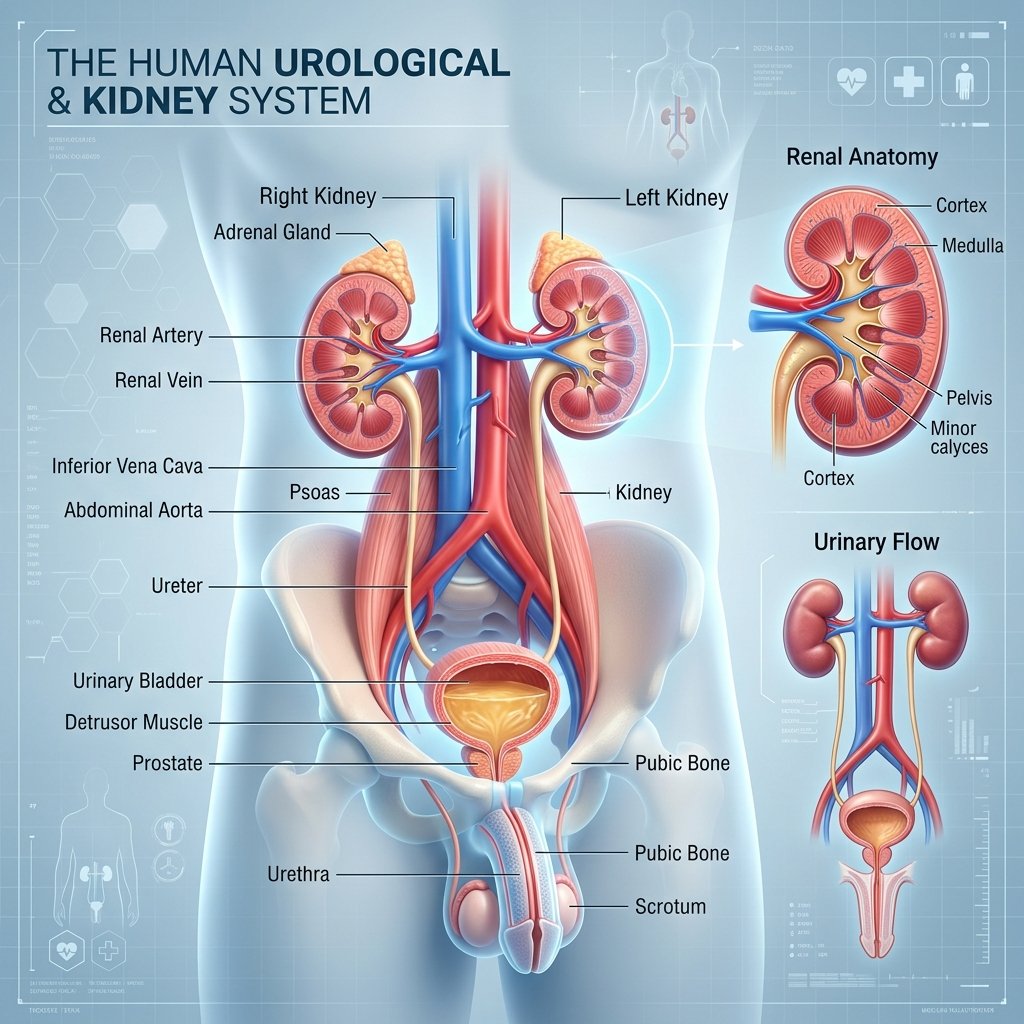
Cancer that occurs in the prostate, a small walnut-shaped gland in males that produces the seminal fluid.

Early Signs & Symptoms:

  • Trouble urinating
  • Decreased force in the stream of urine
  • Blood in the urine or semen
  • Bone pain in advanced stages
Kidney Cancer
Kidney Cancer

A malignant condition affecting the Kidney Cancer tissues, requiring specialized, multidisciplinary oncological evaluation and targeted treatment pathways.


Early Signs & Symptoms:

  • Unexplained weight loss
  • Persistent localized pain or discomfort
  • Changes in regional tissue function
  • Palpable masses or swelling
Bladder Cancer
Bladder Cancer

A malignant condition affecting the Bladder Cancer tissues, requiring specialized, multidisciplinary oncological evaluation and targeted treatment pathways.

Early Signs & Symptoms:

  • Unexplained weight loss
  • Persistent localized pain or discomfort
  • Changes in regional tissue function
  • Palpable masses or swelling
Testicular Cancer
Testicular Cancer

A malignant condition affecting the Testicular Cancer tissues, requiring specialized, multidisciplinary oncological evaluation and targeted treatment pathways.

Early Signs & Symptoms:

  • Unexplained weight loss
  • Persistent localized pain or discomfort
  • Changes in regional tissue function
  • Palpable masses or swelling
Penile Cancer
Penile Cancer

A malignant condition affecting the Penile Cancer tissues, requiring specialized, multidisciplinary oncological evaluation and targeted treatment pathways.

Early Signs & Symptoms:

  • Unexplained weight loss
  • Persistent localized pain or discomfort
  • Changes in regional tissue function
  • Palpable masses or swelling
Urethral Cancer
Urethral Cancer

A malignant condition affecting the Urethral Cancer tissues, requiring specialized, multidisciplinary oncological evaluation and targeted treatment pathways.

Early Signs & Symptoms:

  • Unexplained weight loss
  • Persistent localized pain or discomfort
  • Changes in regional tissue function
  • Palpable masses or swelling